Preparation is most of a good paint job
We repair what the paint system needs: filling, patching, sanding, crack preparation and re-sealing painted joints.
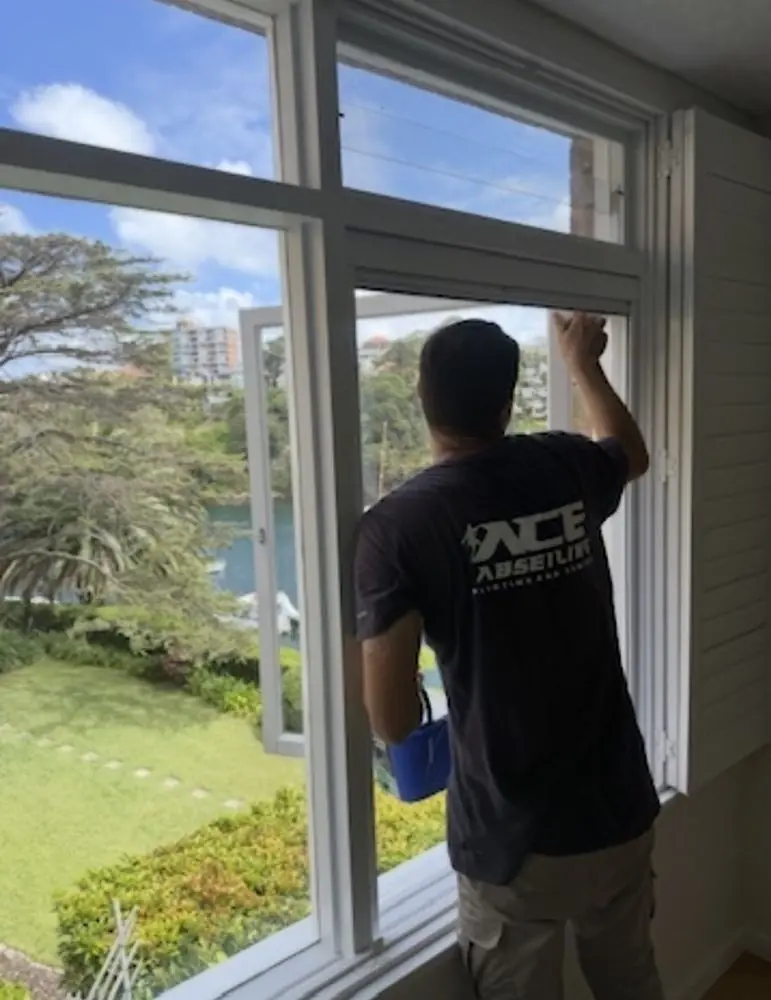
Included where needed
- Washing and degreasing (see pressure cleaning)
- Scraping loose and flaking paint
- Filling and patching minor defects
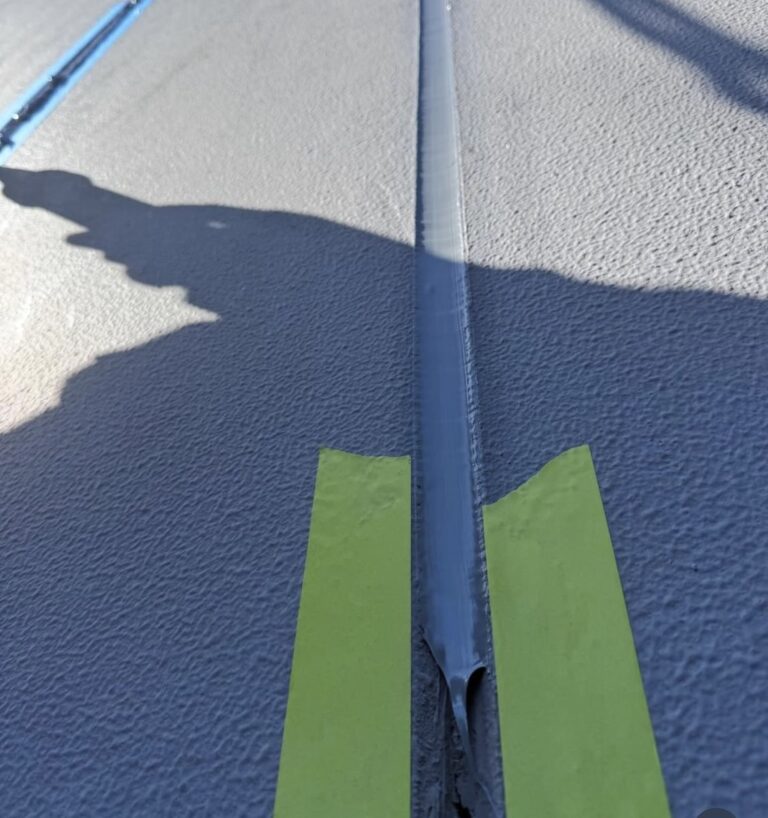
- Crack preparation before coating
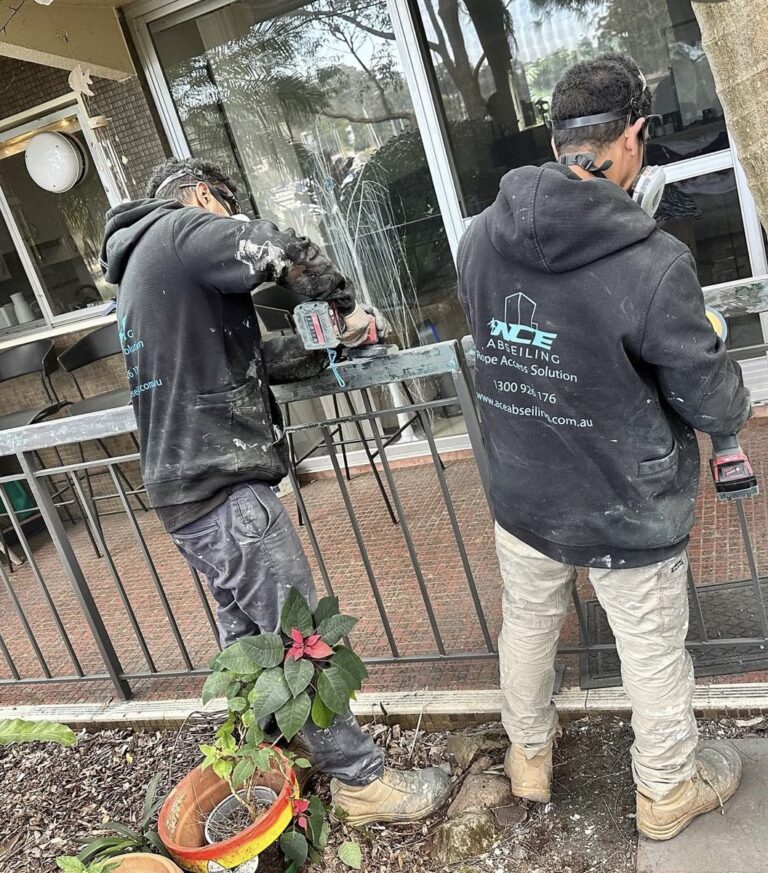
- Sanding and priming bare surfaces
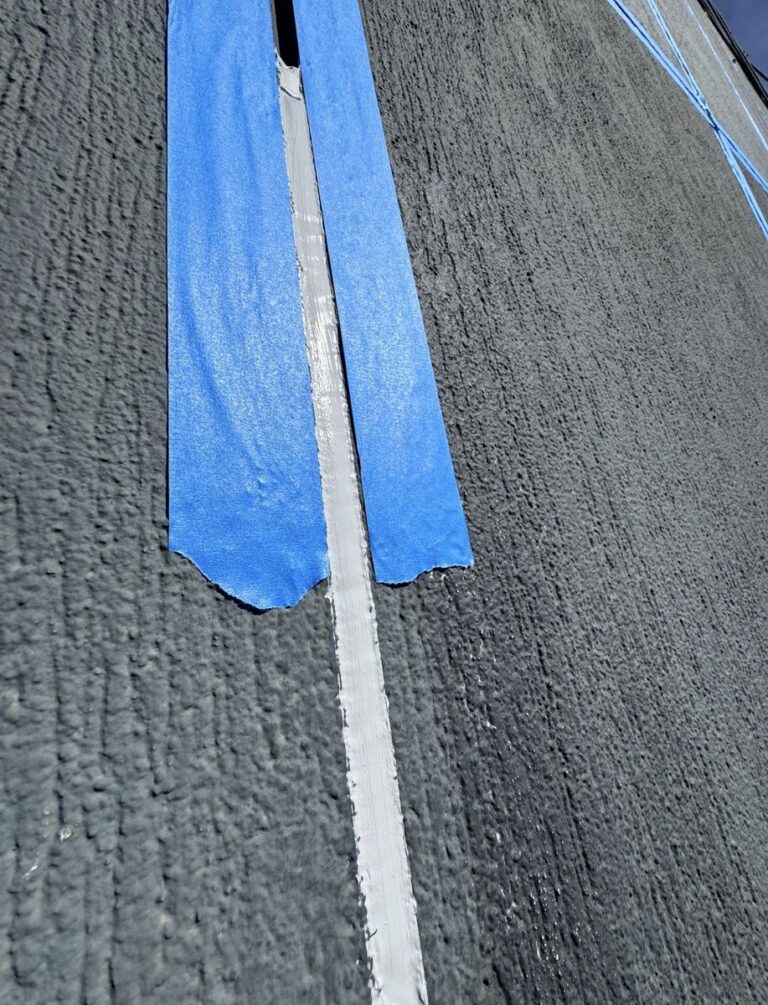
- Sealant to painted joints and frames
Quoted separately or referred
Structural concrete repair, waterproofing membranes, and replacing substrates are outside a painting scope. Where we find them, we tell you in writing before any commitment and quote them separately or refer them to the right licensed trade.
If you suspect lead paint or asbestos, the material is identified before any sanding or repair.
Preparation you can see
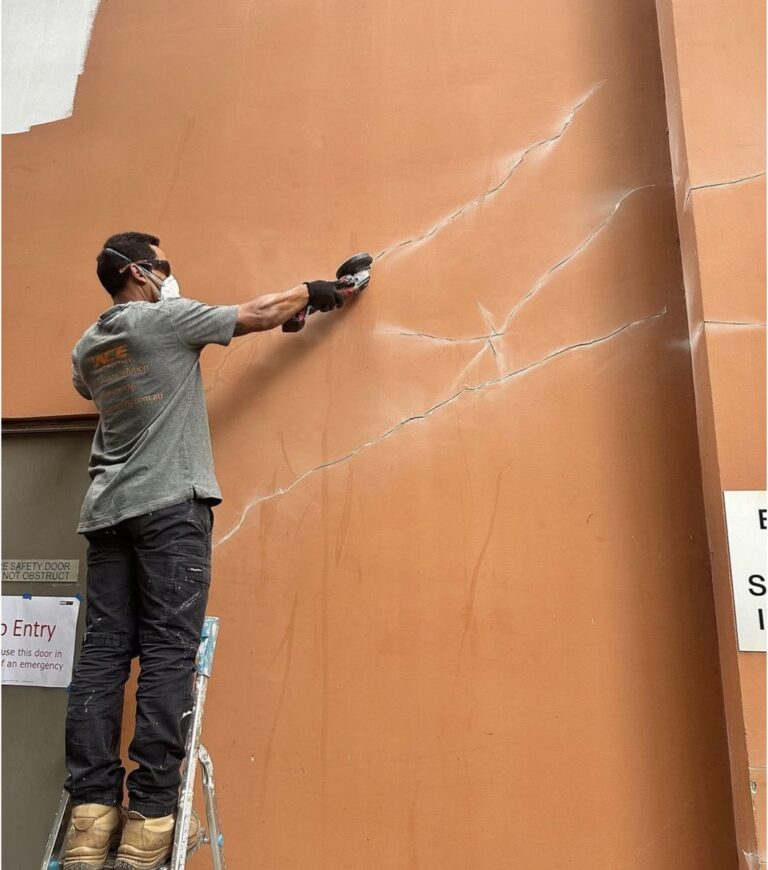
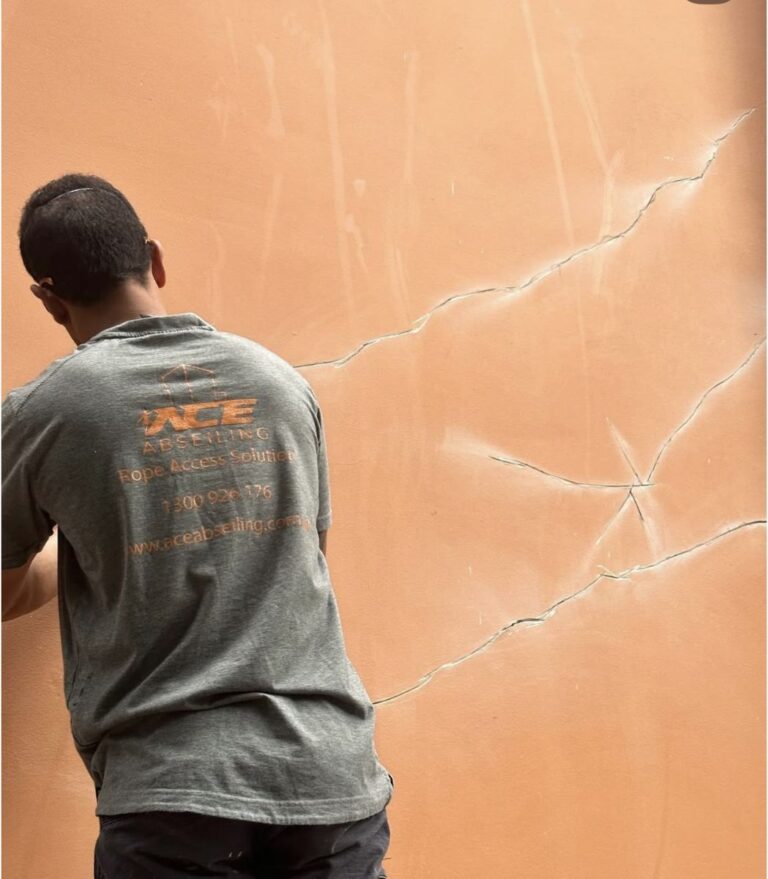
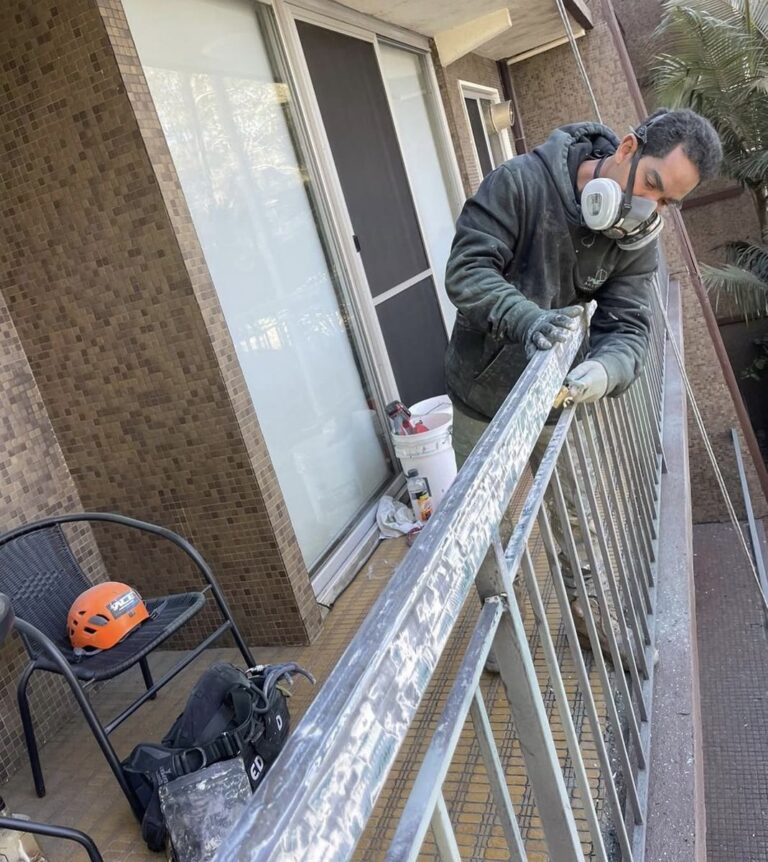
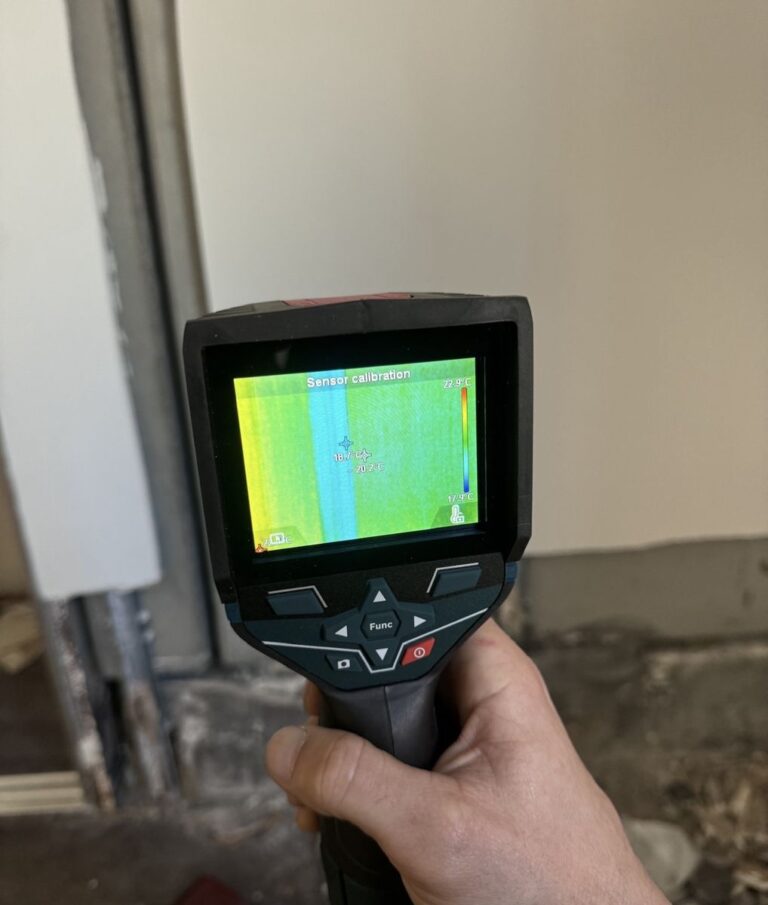
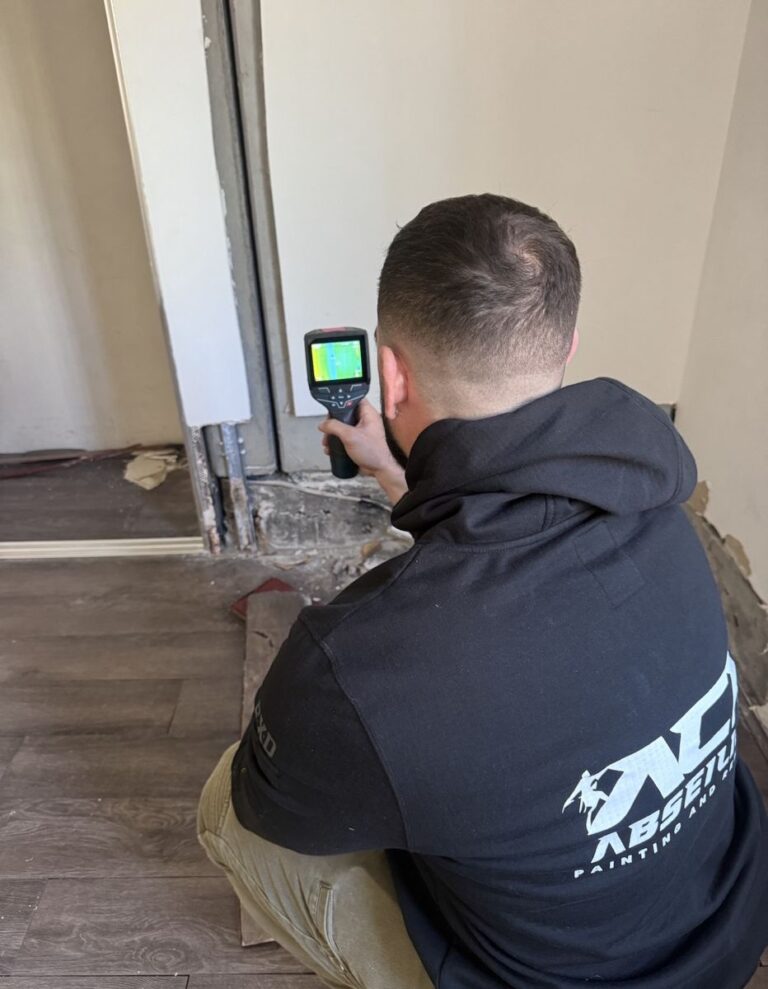
Cracks are opened up and filled, metal is sanded back, joints are masked before new sealant goes in, and walls are checked with a thermal camera where moisture is suspected.
Surface preparation questions
Why does preparation matter so much?
Paint only lasts as long as the surface under it. Coating over dirt, salt, chalky or flaking paint, or open cracks usually leads to early peeling and staining.
Is preparation listed in the quote?
Yes. Each quote lists the preparation steps for each surface, so you can compare quotes on the same basis.
Can you repair cracks before painting?
Minor surface cracks are prepared and filled as part of the painting scope. Cracks that suggest structural movement are reported to you in writing and referred for assessment before painting.
What happens if you find lead paint or asbestos?
Work on that material stops until it has been identified. The removal or preparation method is then chosen to suit, and any licensed work is referred to the right trade.